How to choose a modular painting?
Modern society puts great emphasis on individuality. It’s exhibited in everything, but is especially apparent in trendy looks, manifestation of creative abilities and artistic organization of interior spaces. Bringing an original design solution to life is a task that requires a thoughtful approach. However, if you manage to integrate individual design elements, it can bring you closer to achieving your goal. And one of these elements used successfully to decorate office space, showrooms and residential apartments are modular paintings.
Why did the authors start using this technique?
There are probably 5 main reasons for the emergence of this technique:
- to emphasize a boundary between two fragments of one image. Dürer's diptych is a great example of this case;
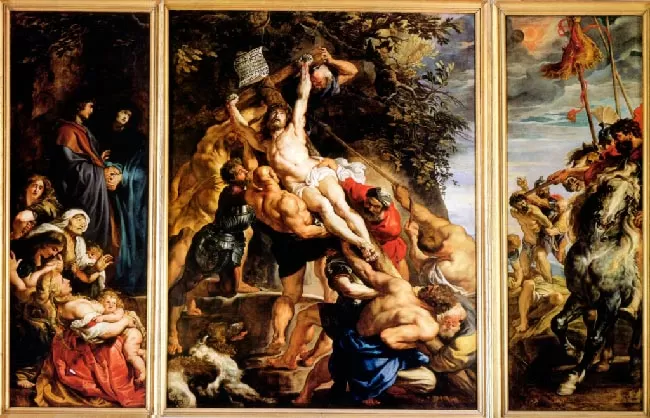
- to highlight a certain fragment. A striking example is the painting by Rubens;
- to endow the painting with a rhythm or make it dynamic. Modular painting Flight is an example;
- to eliminate the bulkiness of large paintings in small rooms. Modular painting My dear four-legged friend is an example;
- to break up a specific painting into fragments and place it in an appropriate interior in order to obtain an independent artwork object by combining the modular painting and the interior.
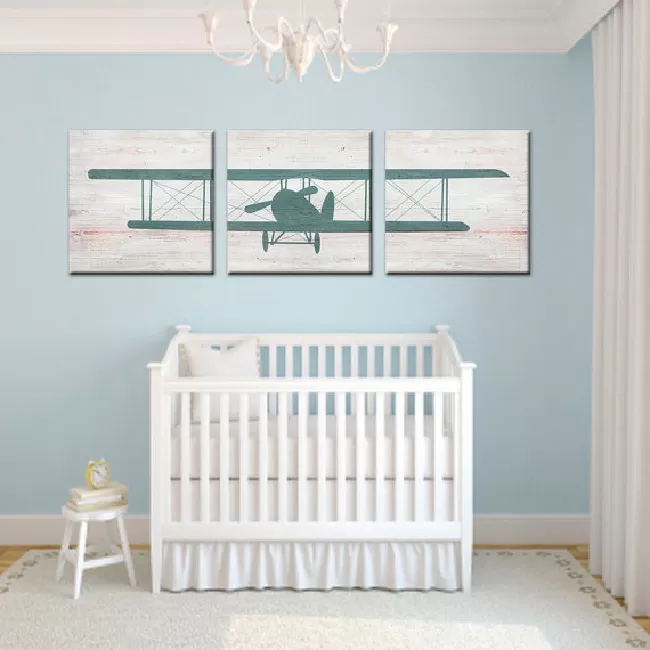
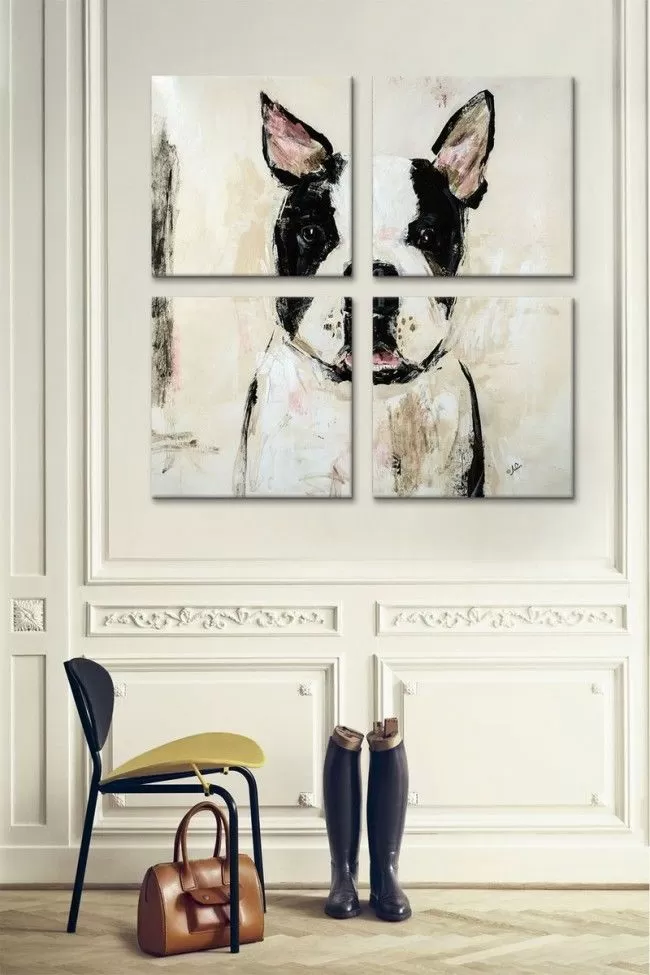
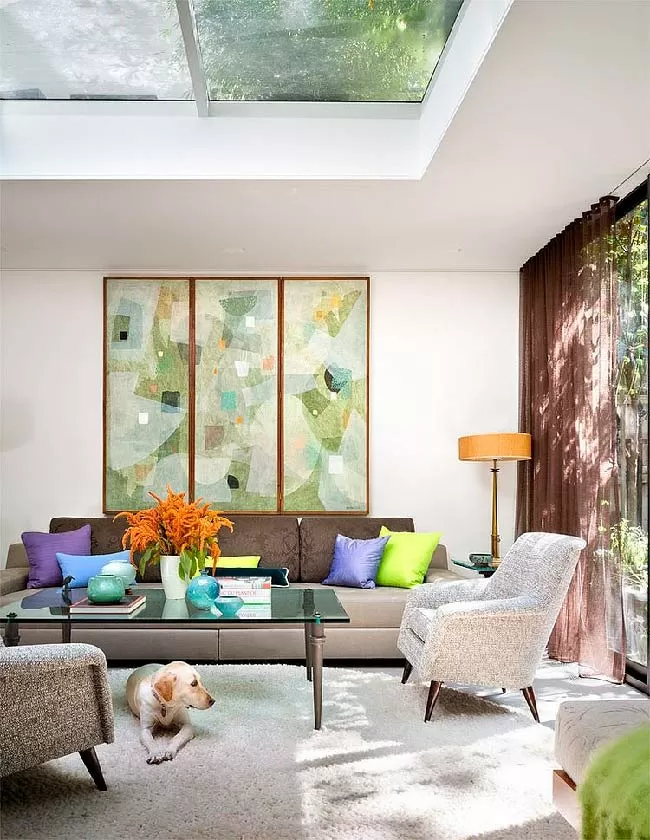
What formats of modular paintings are there?
Modular paintings are usually distinguished by the number of elements: diptych, triptych and polyptych. A diptych is a painting that comprises two parts.
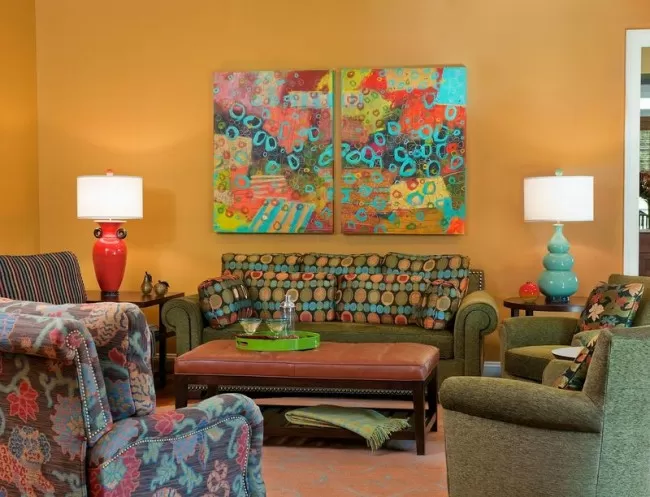
A triptych is a work of art that comprises three parts.
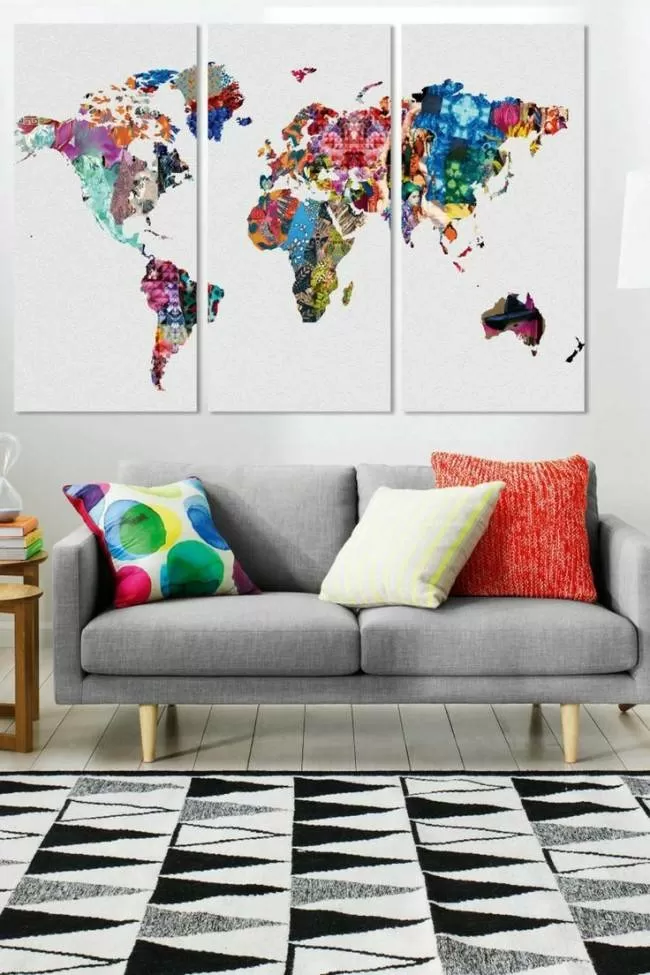
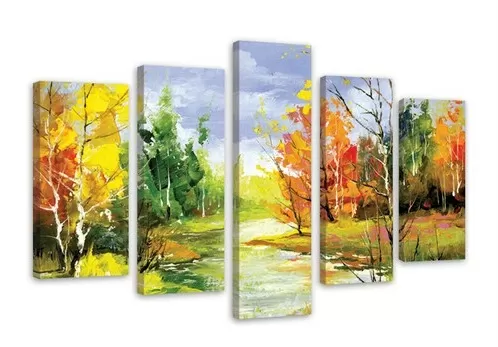
A polyptych is a painting that comprises many segments - 4 or more.
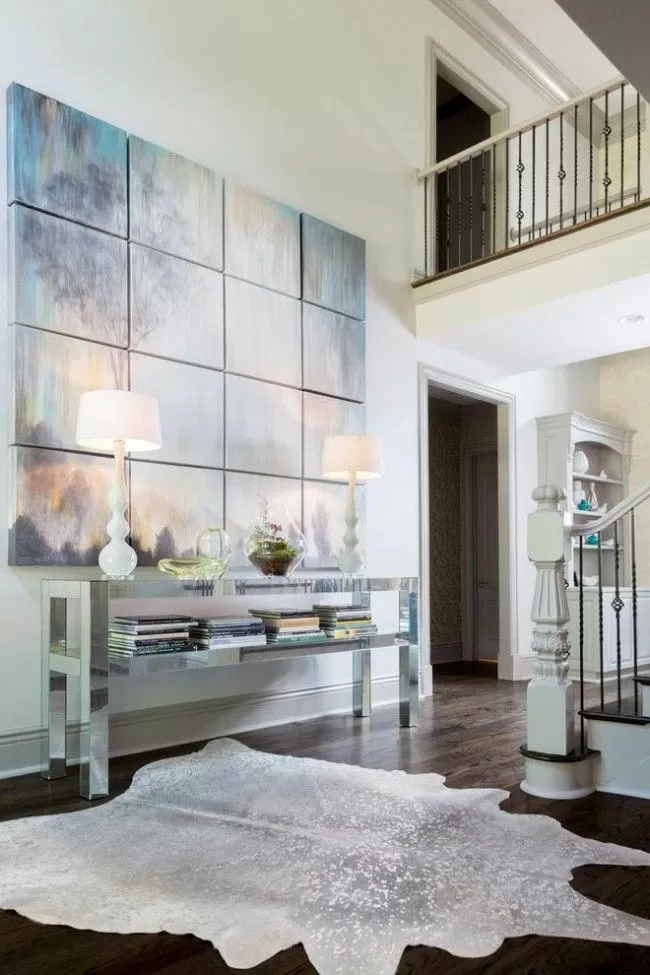
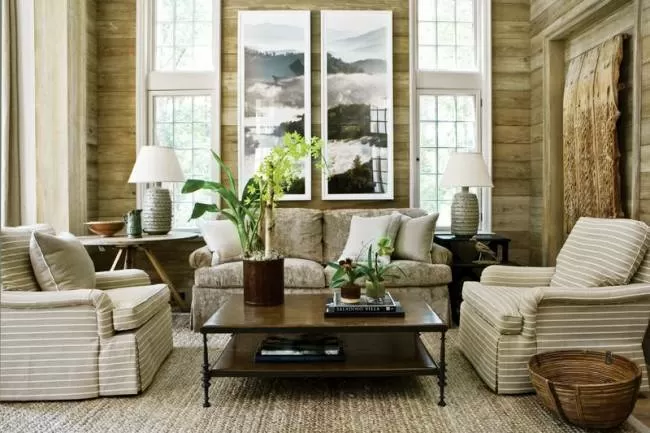
An equally significant aspect is the position of the modules. A vertical arrangement makes the room seem higher, and a horizontal one expands it.
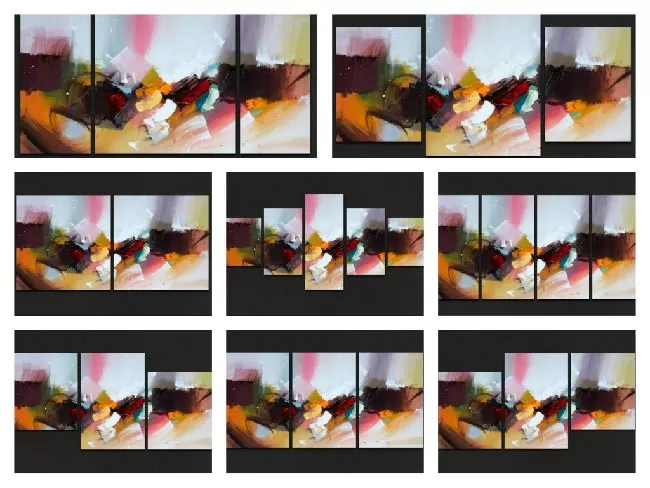
There are about a hundred options of modular painting formats. Here are just a few examples of how the same image can be split up into fragments.
How are modular paintings created?
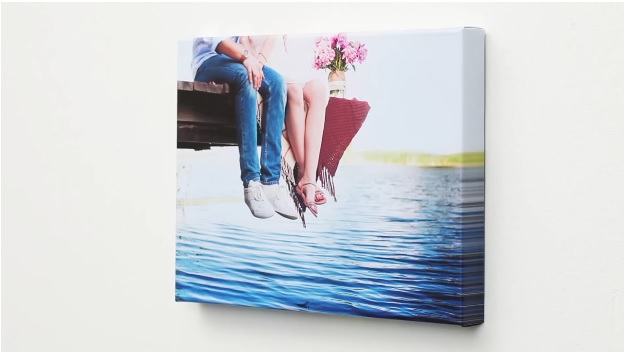
What’s a modular painting? If we want to answer this question, we can’t overlook the secrets of its creation. Let’s note that this original interior solution is based on the multi-color printing technology. Using specialized equipment, a drawing or photograph is printed on canvas, and then placed on a canvas stretcher and fixed behind the frame with staples. Finally, a varnish and gel that further improve the image are applied to the painting. The resulting work of art, which does not require a baguette frame, is then integrated into an appropriate interior.
At the request of the customer, the image can be printed on either artificial and natural canvas. Natural canvas endows the modular painting with a delightful visual appeal, while artificial canvas is usually intended for public spaces with high traffic and lower requirements for the artistic value of the picture.
How to choose a modular picture?
The choice of a spectacular interior item requires a personalized approach. Aside from the consideration of painting size, theme and color scheme, you need to take your time and acquire a modular picture “with an eye to the future.” So, what are the steps to making the right decision?
First of all, you need to figure out the location for the canvas and your spatial options. For instance, a diptych will look more impressive in a small hall or hallway. A triptych is considered an excellent option for decorating a kitchen wall. And you can opt for a triptych with a gallery stretcher to decorate the interior of a living room or bedroom. A polyptych is a luxury appropriate for adorning dining rooms, exhibition halls and other spacious rooms.
The color scheme of modular paintings also allows for variability and provides a huge arena for design experimentation. Carefully choosing between black and white, black and white with a color accent or full-color canvases, professionals prefer the first two options. Considered an incredibly stylish element of interior decoration, they will delight your eye for a long time without tiring you with excessive brightness. Full-color paintings are ideal when you need to invigorate the space or position accents in a room designed in calm, light colors. In other words, their domain is the bedroom, kitchen and living room.
The range of contemporary modular painting themes is especially diverse. However, if you are faced with a huge variety that may just immerse you into a stupor, remember that natural motifs are considered a win-win option. In a panoramic version, they are suitable for decorating large spaces. On the other hand, macro photography, which adds space without restraining it, is ideal for decorating small rooms.
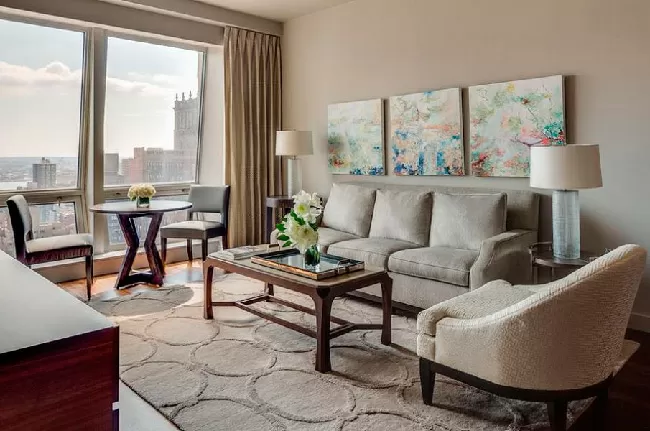
Modular paintings of an urbanized world are an original solution for offices and general premises. However, when used in a city-style bedroom, they can look just as trendy and spectacular. Abstract images are the favorite of creative folks. They perfectly complements natural or ethnic interiors, easily fitting into the design of studio spaces.
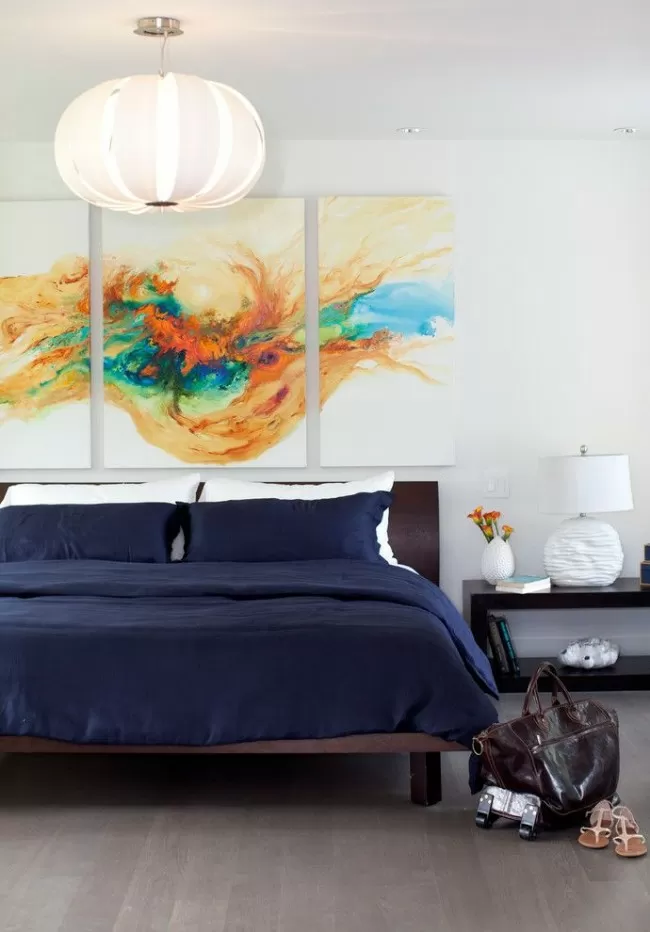
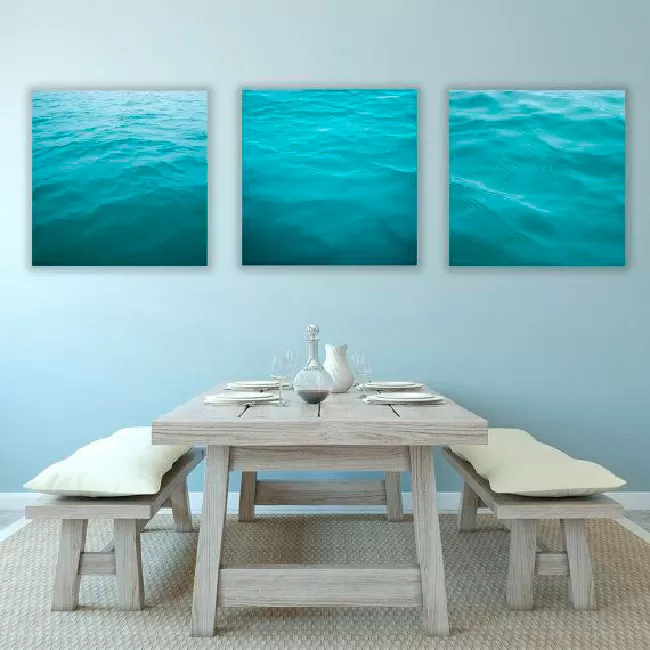
Let’s remember that you don’t have to choose a modular painting based on common ideas about the purpose of a room. If you’re decorating a kitchen, instead of a predictable image of food, you can hang a painting depicting a flower bouquet or a marine scene. A still life or a black-and-white minimalist work with a single color accent will also look original and unique.
Instead of decorating a nursery with something typical that depicts cartoon characters or toys, you can choose fantasy or naïve design style. And a polyptych depicting birds, animals and natural motifs will become the basis for the formation of your growing baby’s artistic taste and help them learn about the world that surrounds them.
As for modular portraits, they are best used for decorating public spaces. Meanwhile, works of art with a festive plot are more appropriate for a specific occasion, rather than daily observation.
Give a modular painting as a gift to your friends, and they’ll enjoy it for many years to come.