What is a passe-partout and how to choose it correctly?
Pictures today are often framed using a passe-partout. At first glance, it is nothing more than a drawing or a photograph mounted in a monocolor frame. However, it’s much more than that. Facilitating the perception of an artwork, the passe-partout helps to focus the observer’s attention on a particular work, and allows to harmoniously integrate the image with the interior. In particular, an object that’s somewhat constrained by the photo frame may look better due to the visual expansion of borders and blend in smoothly with the design of the entire room.
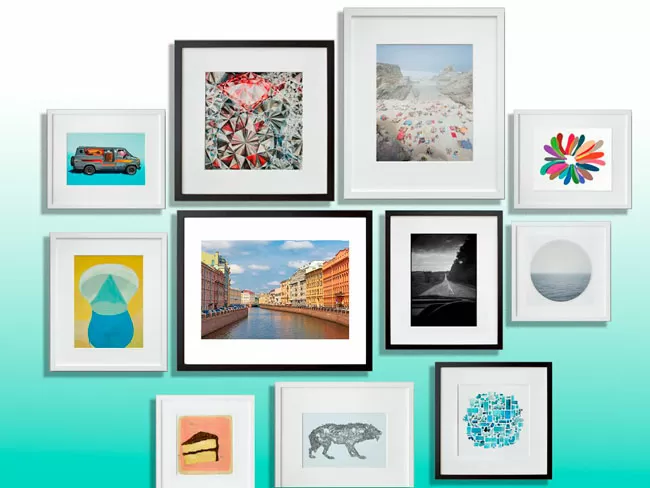
Classic design, or what’s a passe-partout?
For a narrow circle of specialists in the design of paintings, photographs and reproductions this term refers to a fairly dense colored cardboard used to mount paper-based works (photographs, drawings, etc.). It fills the space between the artwork and the frame, so its choice and execution are critical.
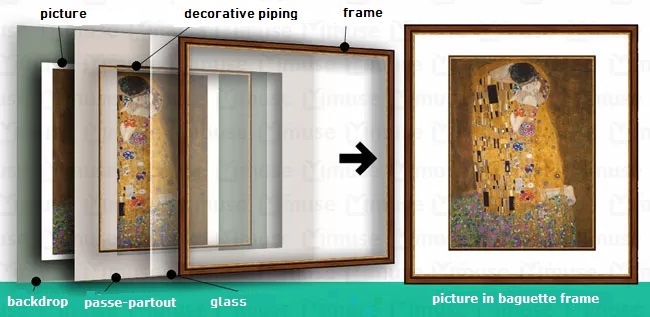
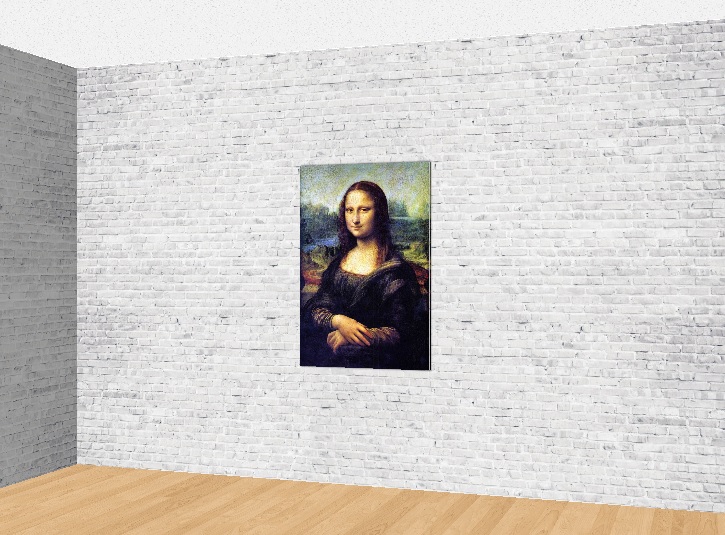
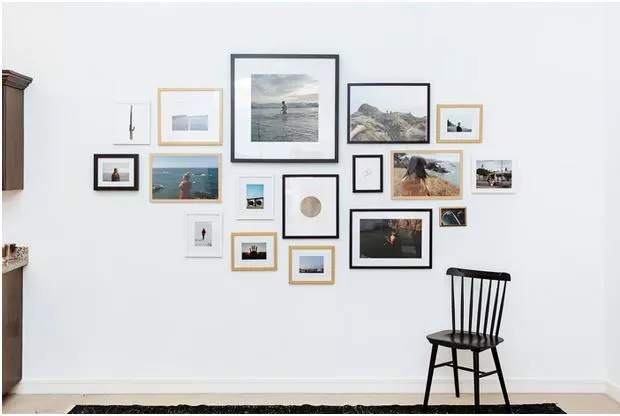
Passe-partout mounted painting or photograph in the interior
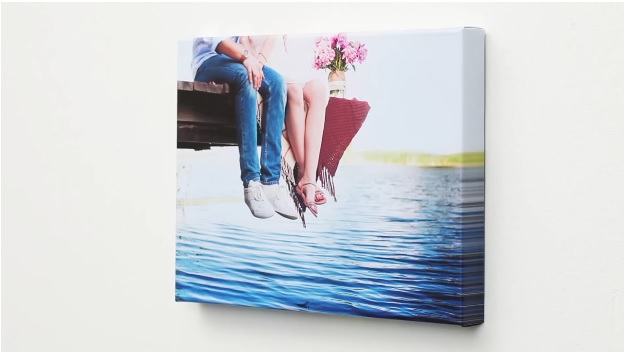
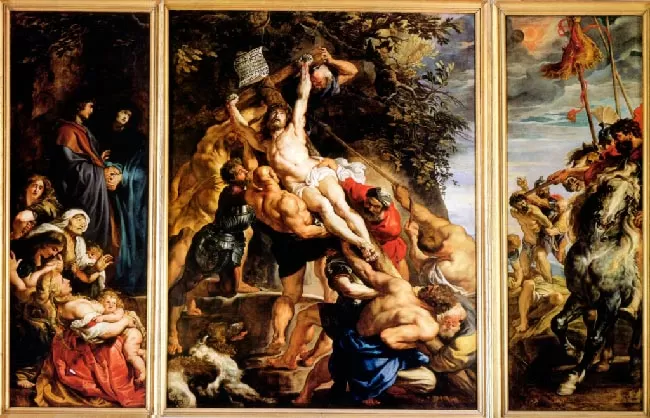
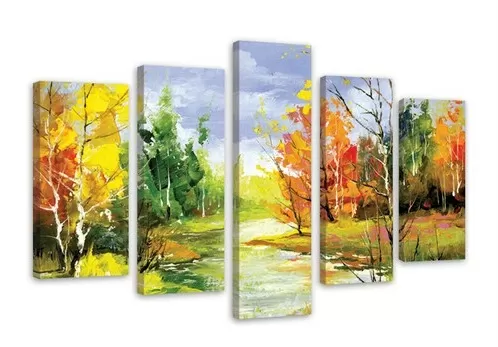
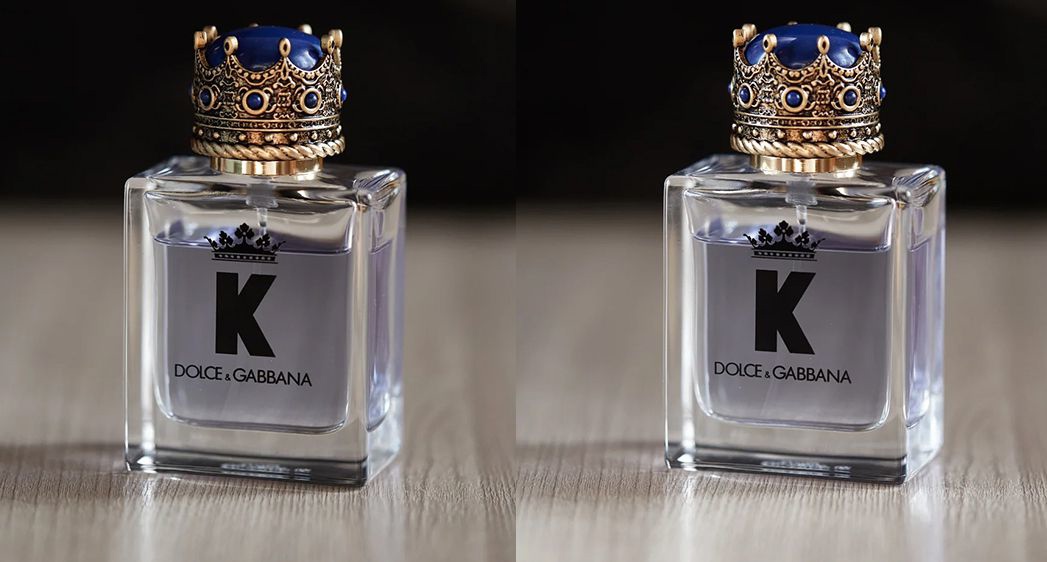
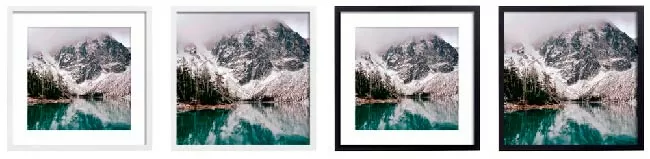
This design option allows to create a number of additional visual effects. You can simply use a multi-level frame instead of a single passe-partout, and the artwork will acquire even greater depth. The right choice of a passe-partout allows to place the right accents, as well as to augment the aesthetic impact on the viewer, endowing the work with additional dimensions. Compare the photos below (2nd and 4th are mounted with passe-partout).
In addition to its aesthetic function, this method of classic photograph and picture framing also has a protective function. By creating the necessary distance between the artwork and its frame, it protects the drawing or photograph from contact with the glass. This way, when humidity is high, the passe-partout prevents contact of the light-sensitive photo paper layer with the glass. As for charcoal or pastel drawings, this technique is vital.
When you order a reproduction of a painting, a poster, or a portrait on canvas or a framed photo print in the studio, make sure you order a passe-partout mount. The available options will certainly surprise you with a rich variety. A wide range of colors, variable textures, different color and thickness of the cut - you can always choose a passe-partout for every taste. For especially valuable works, or art made from unusual materials such as papyrus, museum-quality framing is typically offered. Its key feature is chemical neutrality, which will allow your work to retain its original appearance for many years.
Passe-partout mount of photos and reproductions: how to make the right choice?
Don’t use the first passe-partout you come across – it’s unlikely to embellish your artwork. Just a slight "miss" with its color or shape, and a master’s elegant masterpiece will reek of bad taste. That’s where you need to be smart! Our rich experience in the design, printing and framing of photographic portraits and paintings, (and sometimes posters) allows us to share a few secrets on how to make the right choice of a passe-partout mount.
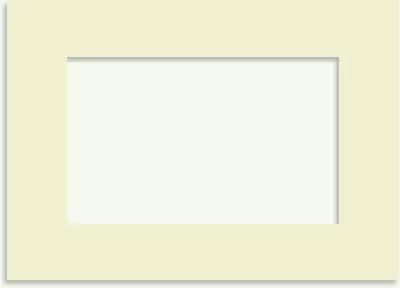
The first thing you should pay attention to is the passe-partout color. Choosing a mat is easy if the work is done in black and white. Look at a selection of white, black or gray mats, and decide which of them will be most appropriate. A gray photo background looks neutral in the interior, while a white one can make the work seem larger and visually highlight it. The choice of a black frame will help create a kind of “window”, through which the observer will contemplate the image plane.
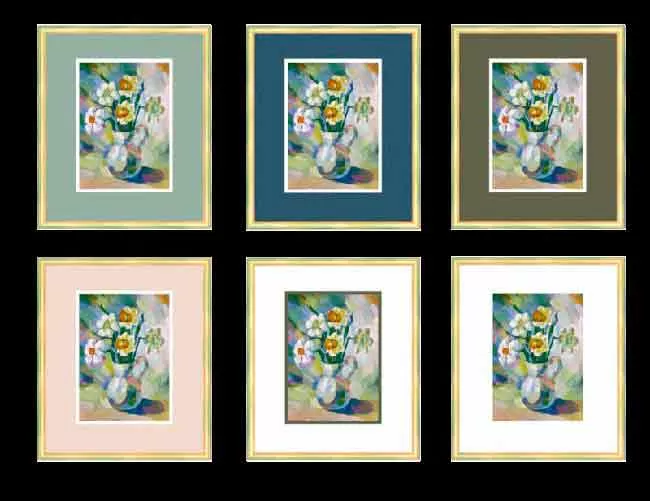
A passe-partout mount for colorful work can be more varied. By experimenting with color or classic black and white photography, you can visually deepen the work, seemingly enlarge it or shift the observer’s focus to certain details. To achieve this effect, it’s enough to choose a passe-partout to match the detail that you’d like to emphasize. Alternatively, you can purchase a frame in calm, muted tones – that’s a win-win solution. In any case, the risk is justified.
After choosing the passe-partout shade, go on to select the margin size. Moderation is required here, just as in any other matter. Margins that are too narrow will merge with the frame, contradicting their very own purpose, and a mat with wide margins will divert attention from the artwork. The following are the passe-partout sizes of choice for works of the popular 30x40 cm format: 80-120 mm for an exhibition, 50-80 mm for a residential interior, since the wall space is smaller. There is also special software that selects the optimal passe-partout size. Posters are framed without a passe-partout, with very rare exception. For square works, the bottom margin is somewhat wider than the other three.
Buying a ready-made passe-partout at an art store today is very easy. But can you really to choose the ideal framing option for your work by eye? We’d like to offer you an effective solution to this problem! Contact our printing service, and we won’t just print your photo portraits, reproductions, or posters for you, but will also individually select a passe-partout that’s perfect for your work.
Surround yourself with beauty!